
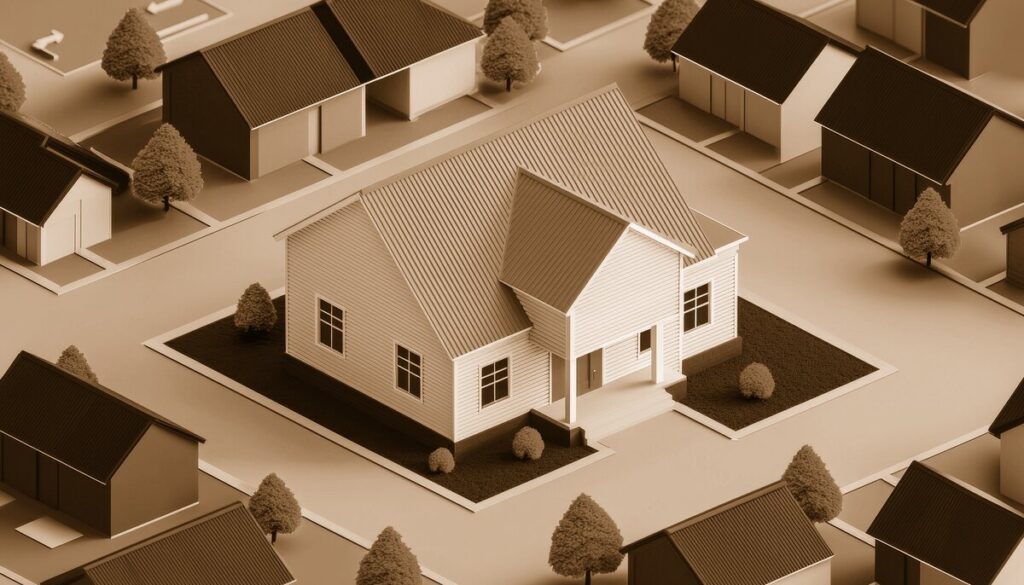
Lake Forest, a sought-after community in Louisville’s East End, stands as a testament not just to elegant living, but also to the area’s fascinating journey from gentle farmland to a vibrant, close-knit neighborhood. For residents and visitors alike, Lake Forest blends natural beauty, architectural distinction, and a deep sense of place rooted in Louisville’s heritage.
Origins: From Pastoral Lands to Planned Community
Long before Lake Forest became synonymous with manicured lawns, friendly sidewalks, and family celebrations, the area was part of Kentucky’s rolling bluegrass landscape. The land, situated southeast of downtown Louisville, was originally used for agriculture and dotted with patches of hardwood forest and meandering creeks—remnants of which can still be seen today.
The neighborhood’s transformation began in the late 1980s, when renowned Louisville developer Ball Homes identified the nearly 2,000 acres bounded by Shelbyville Road (U.S. 60), South Beckley Station Road, and Bush Farm Road as rich with potential. Lake Forest was envisioned as a master-planned community that would offer residents a harmonious blend of elegant homes, lush green spaces, and resort-style amenities—unmatched at the time in Jefferson County.
How Lake Forest Got Its Name
The name “Lake Forest” pays tribute to both the natural landscape and the design ideals behind the neighborhood. The planners took inspiration from the existing groves of oaks, maples, and sycamores that dotted the countryside, as well as the several spring-fed lakes and ponds that would become centerpieces of the community. By intertwining nature and neighborhood, the founders chose a name that would reflect a peaceful, sylvan setting—one that residents cherish today.
Key Historical Milestones
- 1987 – Ground broke for the Lake Forest master plan, with the first homesites opening along Arnold Palmer Boulevard and street names like Crystal Waters Drive and Lake Forest Parkway reflecting the vision of wooded elegance and aquatic tranquility.
- Late 1980s-1990s – The iconic Lake Forest Lodge and recreation complex was established, quickly becoming the social and architectural heart of the neighborhood.
- 2000s – The Lake Forest community grew rapidly as successive sections branched out eastward and southward; amenities including new walking trails, playgrounds, and lakes were added.
- 2014 – Lake Forest celebrated 25 years of community living, marked by events and a renewed focus on local history and connections.
Notable Landmarks and Community Corners
Despite its relatively recent origins, Lake Forest has cultivated several cherished landmarks:
- Lake Forest Lodge on Lake Forest Parkway is not only an eye-catching landmark with its stone columns and welcoming entrance but also the setting for countless wedding receptions, graduation parties, and neighborhood events.
- Lake Forest Golf Club, designed by renowned architect Arnold Palmer, winds through the heart of the neighborhood. The golf course’s rolling fairways, nestled between tree lines and lakes, have hosted numerous tournaments and casual Sunday games over the decades.
- Wolf Pen Branch and Middlesex Drive are two picturesque streets renowned for their stately homes and mature treescapes—each telling a story of the neighborhood’s architectural evolution.
- The community lakes and walking trails, including the ever-popular Crystal Water Drive circle, serve as a connecting thread, offering scenic views year-round and a habitat for local wildlife.
Parks, Schools, and Institutions
In keeping with its vision as an all-inclusive community, Lake Forest offers more than just residential living:
- Beckley Creek Park, part of the expansive Parklands of Floyds Fork, borders Lake Forest and provides easy access to miles of hiking, biking, and picnic areas. This beloved green space draws families, joggers, and nature lovers from across the city.
- St. Patrick Catholic Church and School on Beckley Station Road anchors one of the spiritual and educational communities within Lake Forest, serving both parishioners and students from the broader area.
- Eastern High School, located just north along Old Shelbyville Road, and several highly regarded elementary and middle schools nearby contribute to the neighborhood’s enduring appeal for families.
The Neighborhood Today: A Living Legacy
Decades on, Lake Forest remains a place where Louisville’s heritage and modern lifestyle converge. Generations of families have put down roots, with children who grew up on streets like Forest Crest Drive and Walnut Ridge Place now returning to raise families of their own.
The homeowners association and active clubs organize regular social gatherings: from the much-loved July 4th bike parade to spring plant swaps and festive holiday lights competitions. These traditions foster a sense of belonging and pride—qualities as enduring as the oaks and maples that inspired Lake Forest’s name.
Preserving the Past, Embracing the Future
Longtime residents are quick to share stories of the neighborhood’s early days—of first planting roses by the mailbox, lake fishing after school, and watching as new friends moved in and block parties stretched late into warm Kentucky evenings.
Today, Lake Forest beautifully balances tradition and progress. Thoughtful development, strict architectural standards, and an ongoing commitment to green spaces ensure the neighborhood’s continuity for years to come. As Louisville grows and changes, Lake Forest’s charm, history, and sense of community remain a vital part of the city’s tapestry.
For anyone strolling under the sycamores, casting a line into a spring-fed lake, or greeting a neighbor on a crisp autumn day, it’s clear: the story of Lake Forest is still being written—by each resident, each family, and everyone who calls this special Louisville neighborhood home.